Knowledge Series

The Local AuthorityNHS Constitutional Boundary

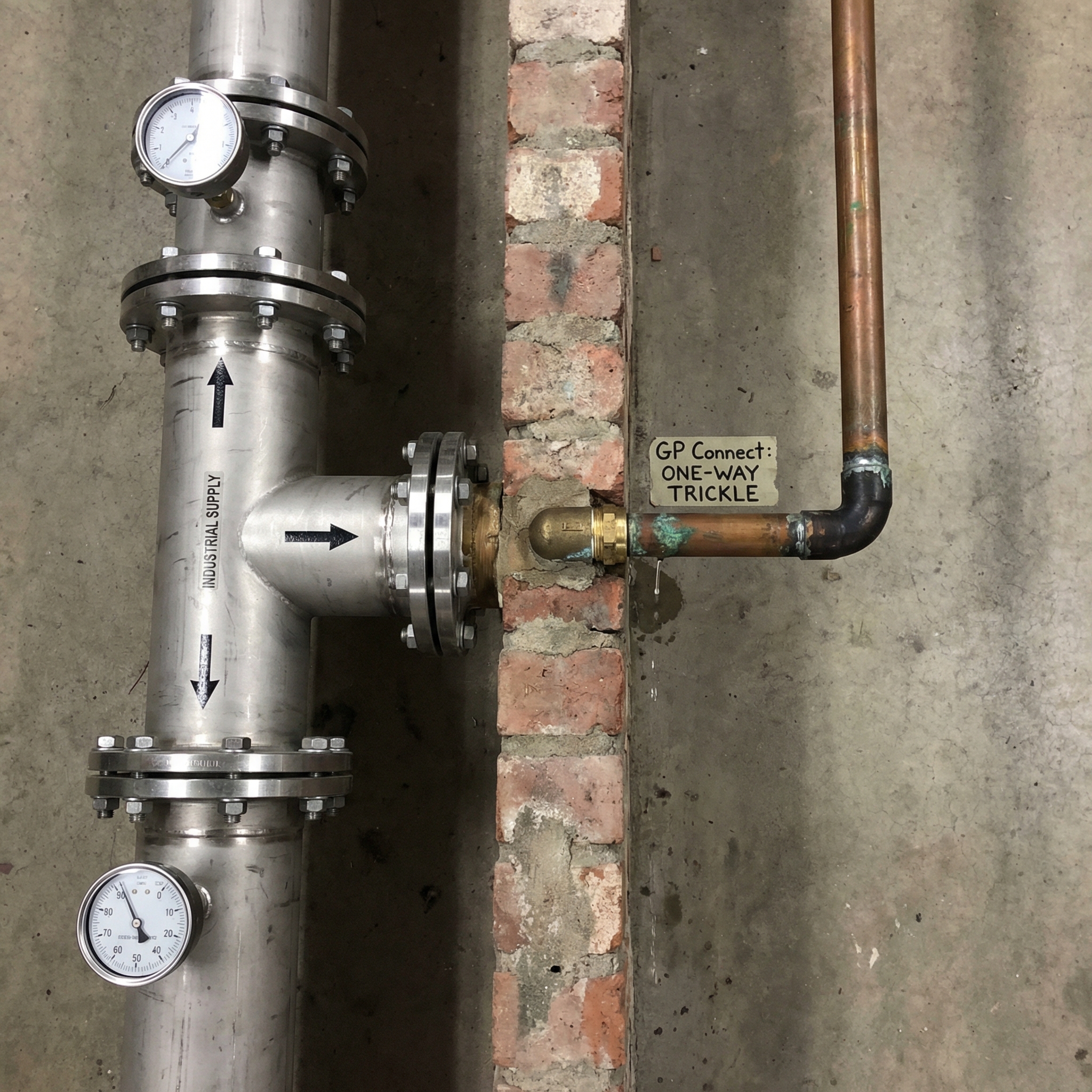
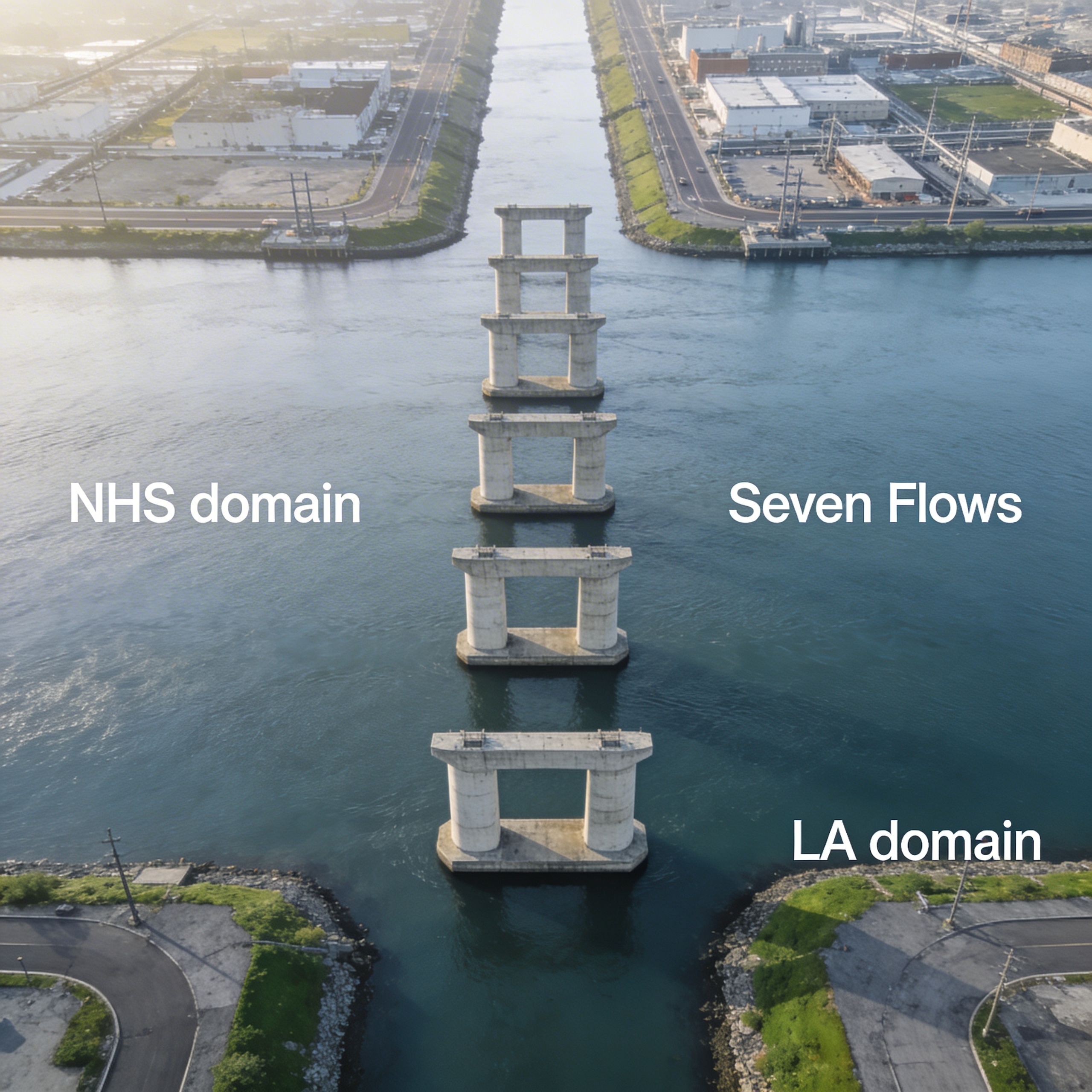
The boundary between local authority social care and the NHS is the most constitutionally complex crossing in English healthcare. Two systems built on different premises, for different purposes, under different democratic accountability — sharing responsibility for the same populations with no governed crossing between them.

Critical context for ICS partnerships and place-based teams. See also: Neighbourhood Health

8 Articles
4 hrs Total Reading Time
Complete Series Status

Why This Series Matters

Every year, over 2.5 million people cross the boundary between NHS healthcare and local authority social care. The crossing costs £2 billion annually in delayed discharges alone. The Coughlan judgment (1999) drew the constitutional line between health and social care. The CHC framework determines which side of the line a person falls on. But the moment of crossing — when responsibility transfers, when clinical information enters a social care governance regime, when the legal character of the obligation changes — remains structurally ungoverned.

This series examines the Local Authority–NHS boundary through the lens of Inference Clinical’s Seven Flows framework. It maps where each governance invariant — Identity, Consent, Provenance, Clinical Intent, Responsibility, Service Routing, Outcome — encounters the constitutional gap. It introduces Constitutional Binding: the principle that every action, decision, and data element must be explicitly bound to the constitutional authority under which it was created.

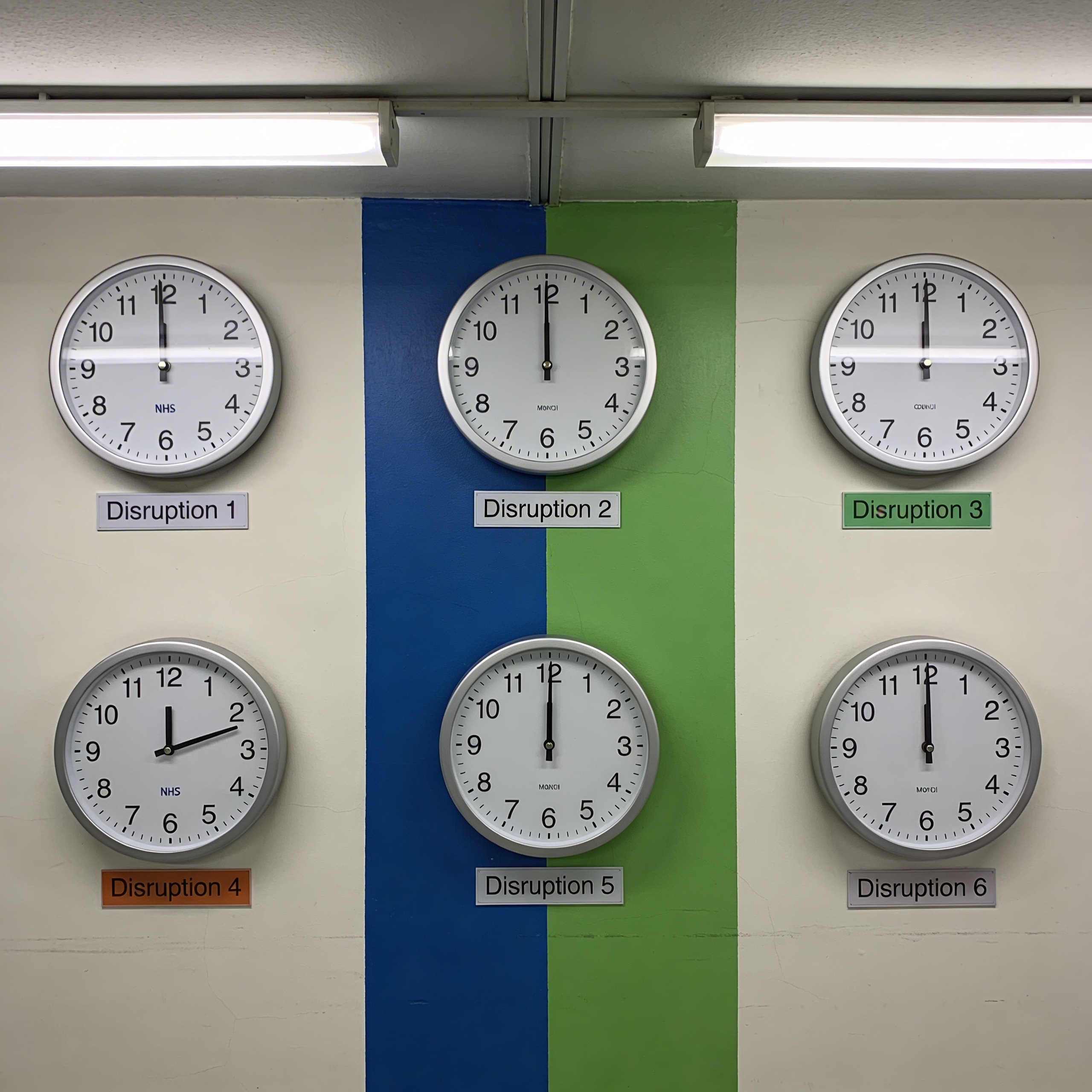
The series covers what happens when both sides of the boundary are redrawn simultaneously through local government reorganisation and ICB mergers, how the Better Care Fund and Section 75 agreements create financial bridges without governance infrastructure, and why “integration” as currently conceived cannot solve a problem that is constitutional, not organisational.


What Are the Challenges of the Local Authority–NHS Boundary?

Start Here

The Problem: Article #1

Two constitutional domains, different legislation, different regulators — and no governed crossing between them. This is where the argument begins.

Read Article #1 →
The Solution

The Framework: Article #7

All seven governance flows assessed at the Local Authority–NHS boundary. A maturity heatmap showing where infrastructure exists — and the structural gap to Level 3.

Read Article #7 →

Where Should You Start?

Eight articles, one argument. Choose your entry point based on your role.

Finance Director / BCF Lead

Start with Article #3: Delayed Discharge — £2.6bn annual cost, then #8: BCF Reform

Clinical Safety Officer / CSO

Start with Article #6: Safeguarding & Accountability — 72% of SARs find the same failure, then #7: Seven Flows

CIO / CCIO / Data Lead

Start with Article #4: Data Governance Chasm — why data can’t cross even when both sides want it to

ICB / Place Director

Start with Article #5: Neighbourhood Health — why co-location isn’t integration, then #2: Reorganisation

DASS / Adult Social Care Lead

Start with Article #1: The Constitutional Boundary — the Coughlan legacy, then #8: Six Disruptions

Short on Time?

Read #1 (the problem), #7 (the framework), and #8 (the urgency). Three articles, one complete argument.

The Complete Series

Eight articles, read in order, building one argument from Coughlan to reorganisation

Phase 1

The Diagnosis

Where the boundary sits, why it was drawn there, and what happens when both sides are redrawn at once

Phase 2

The Risks

Data that cannot cross, neighbourhood health that cannot govern, and safeguarding that cannot hold anyone accountable

Phase 3

The Cure

The Seven Flows framework applied at the boundary, and the case for building governed infrastructure before the reorganisation arrives

For Who

  • ICB leaders and Place directors
  • Directors of Adult Social Services (DASS)
  • NHS discharge and flow leads
  • Local authority commissioners
  • ICS partnership boards
  • CHC and continuing care teams

Key Themes

  • The Coughlan judgment and NHS Continuing Healthcare
  • Constitutional crossings: NHS to local authority
  • Delayed discharge as a boundary problem
  • Constitutional Binding and data governance
  • Local government reorganisation
  • MVRT at cross-constitutional boundaries

Related Series

Architecting Neighbourhood Health

10 articles mapping boundary governance in NHS neighbourhood teams. The Local Authority–NHS boundary is the constitutional version of the problem neighbourhood health centres must solve operationally.

Private Healthcare Governance

8 articles on boundary governance in insured care. Different vocabulary, same structural problem — organisational boundaries where no framework governs the crossings.

Series Author

Julian Bradder
Founder & CEO, Inference Clinical
julian@inferenceclinical.com

Boundary Risk Assessment for Health & Social Care

Inference Clinical’s Boundary Risk Assessment evaluates governance at every organisational boundary — Local Authority–NHS discharge crossings, CHC interfaces, safeguarding referrals, and integrated care partnerships.

Learn More Check Your Score